Motion Components
Precision positioning for research equipment.
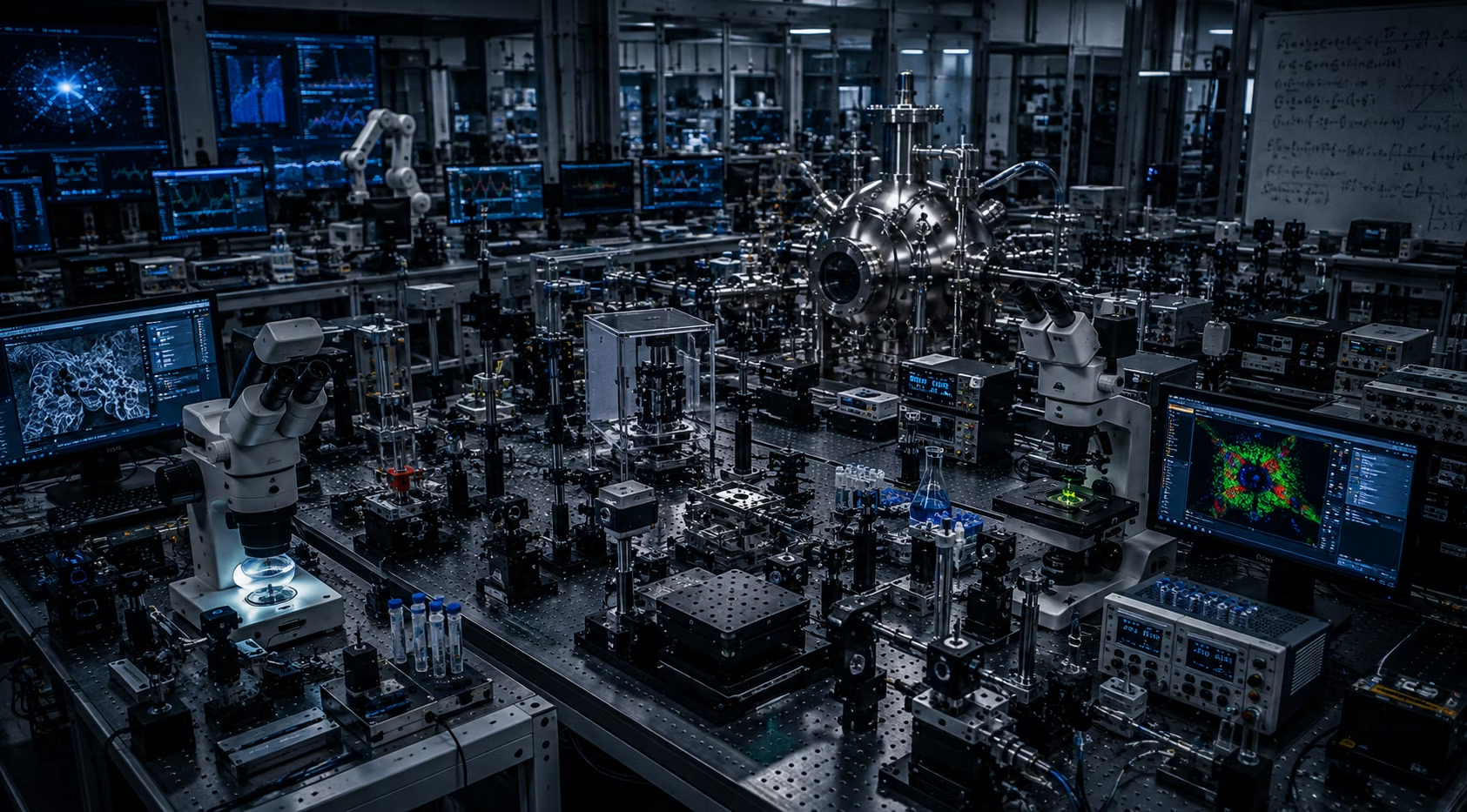
SCIENTIFIC RESEARCH
Flexible motion solutions engineered for advanced research, experimental systems, laboratory automation, and high-precision scientific instruments.
INDUSTRY OVERVIEW
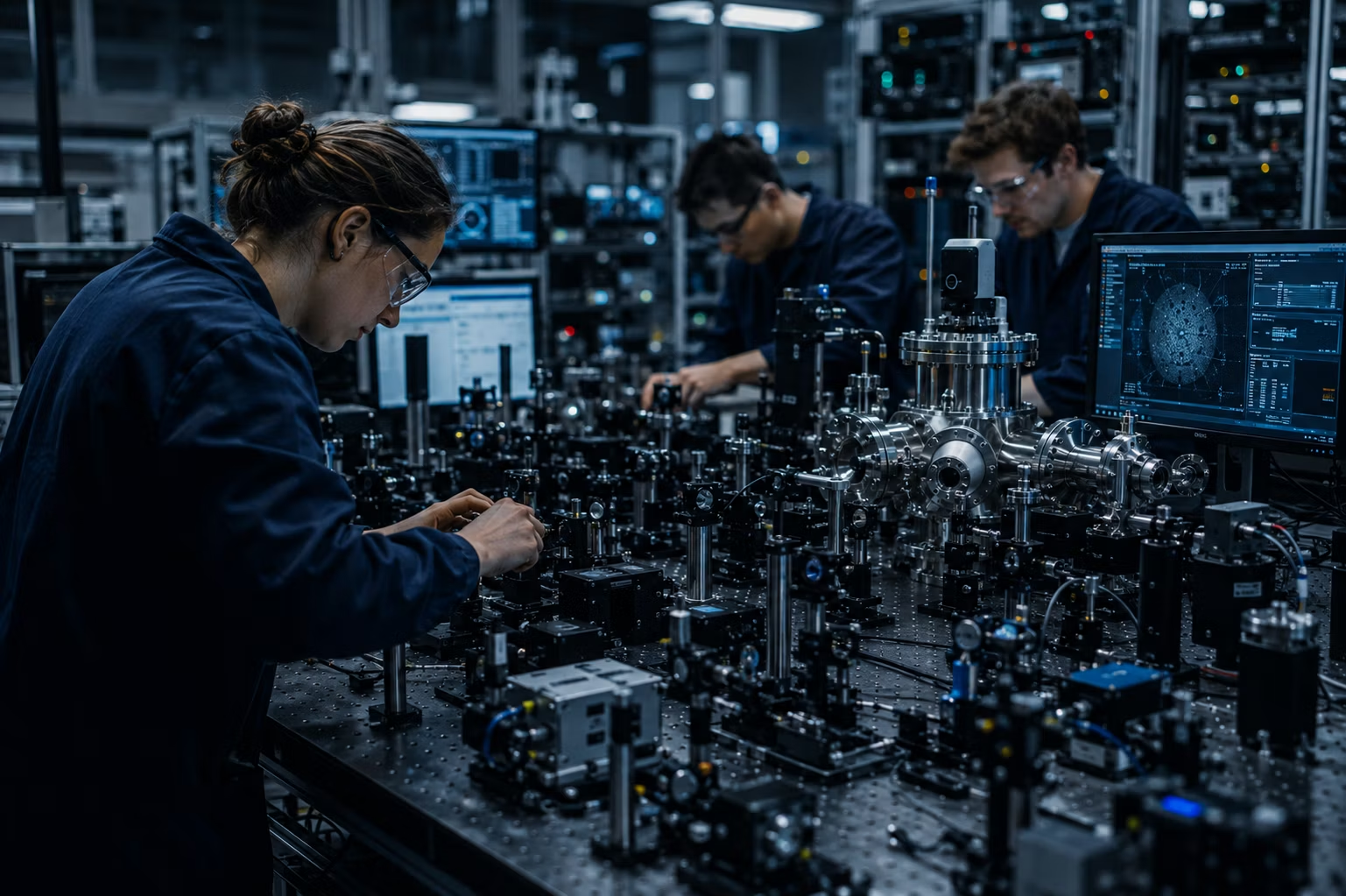
Scientific research demands motion systems capable of adapting to unique experiments, evolving requirements, and extremely precise positioning.
Whether supporting physics, optics, robotics, or materials science, flexibility is as important as accuracy.
INDUSTRY CHALLENGES
Motion platforms adaptable to unique experiments.
Accurate positioning for scientific measurement.
Expand systems as research evolves.
Reliable performance through extended testing.
FEATURED CASE STUDY
A configurable multi-axis platform can support higher positioning accuracy and greater experimental flexibility in a university research laboratory.
Read Case Study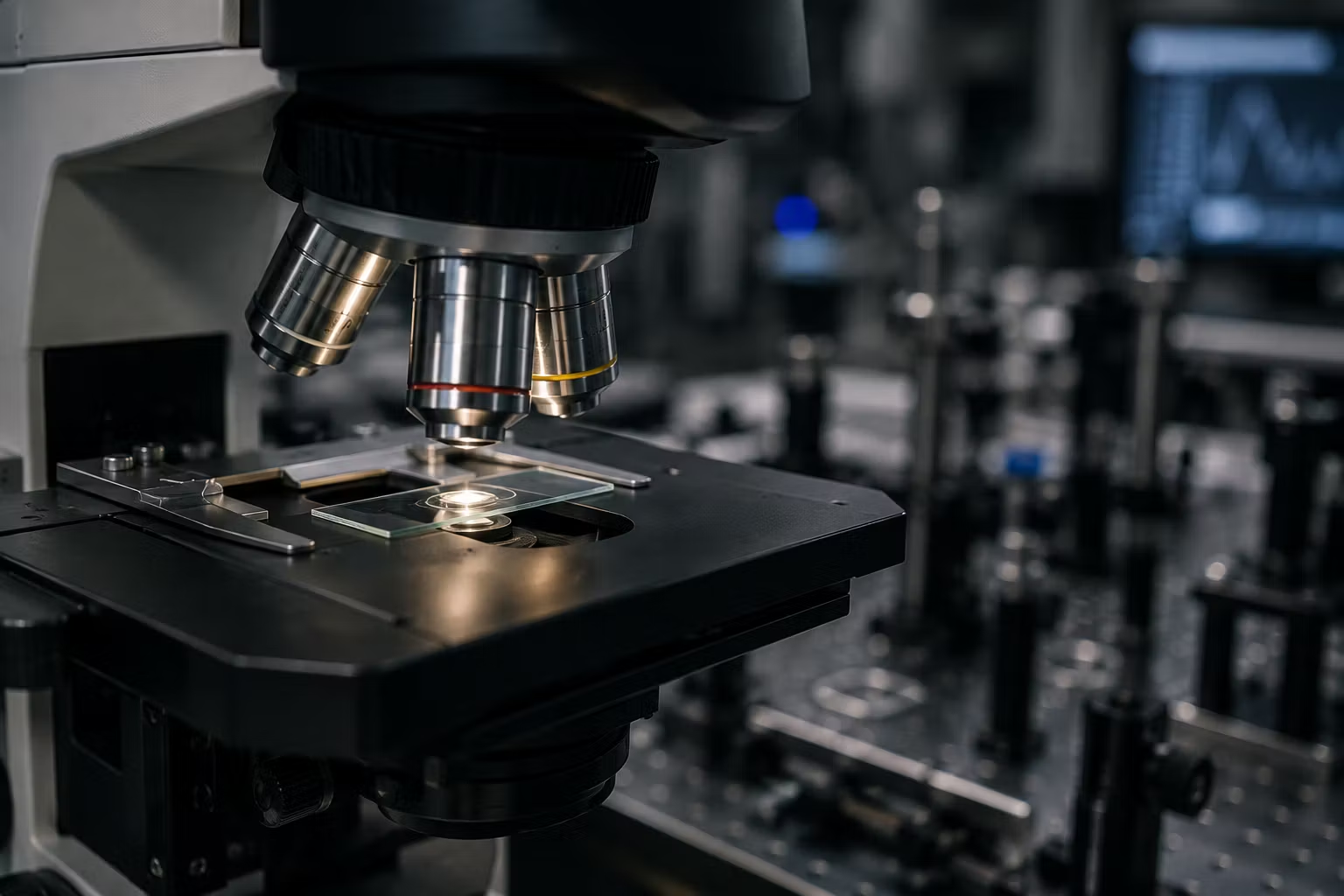
FAQ
Yes. Motion, controls, sensing, tooling, and application-specific automation can be combined around a defined laboratory workflow.
Expansion can be considered during architecture review so interfaces support a practical research roadmap.
Vectra Motion can work from university, laboratory, and research requirements, including instrumentation interfaces and evolving workflows.
Integration can account for instrumentation, controls, sensing, synchronization, safety, and data interfaces.
The engineering process starts with experimental constraints, motion requirements, interfaces, and the intended validation method.
READY TO PUSH THE BOUNDARIES?
Discuss your research application with our engineering team.