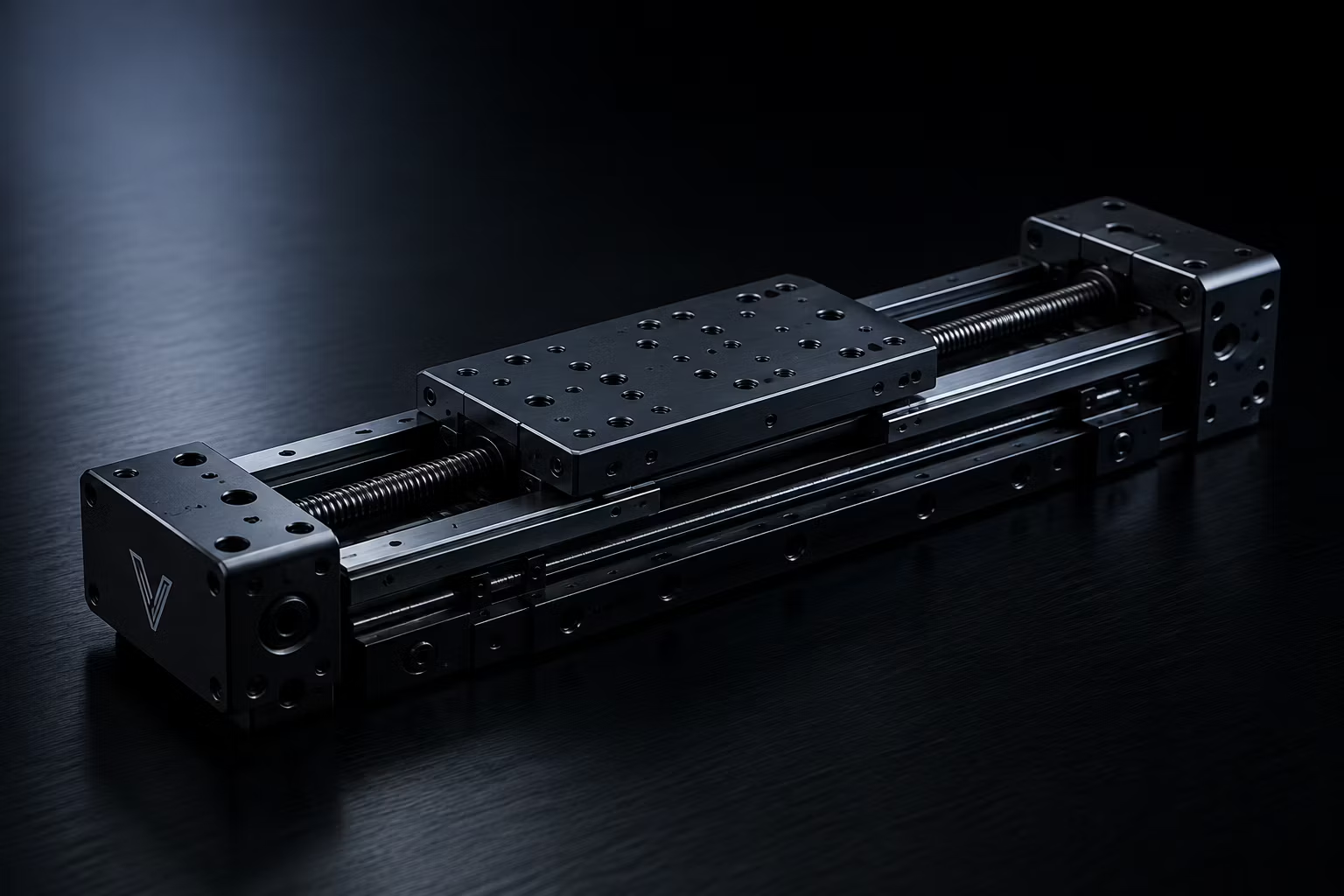
Linear Stages
Precision linear positioning for accurate, controlled travel.
MOTION COMPONENTS
Engineered building blocks for accurate positioning, smooth motion, and repeatable performance across advanced manufacturing applications.
OVERVIEW
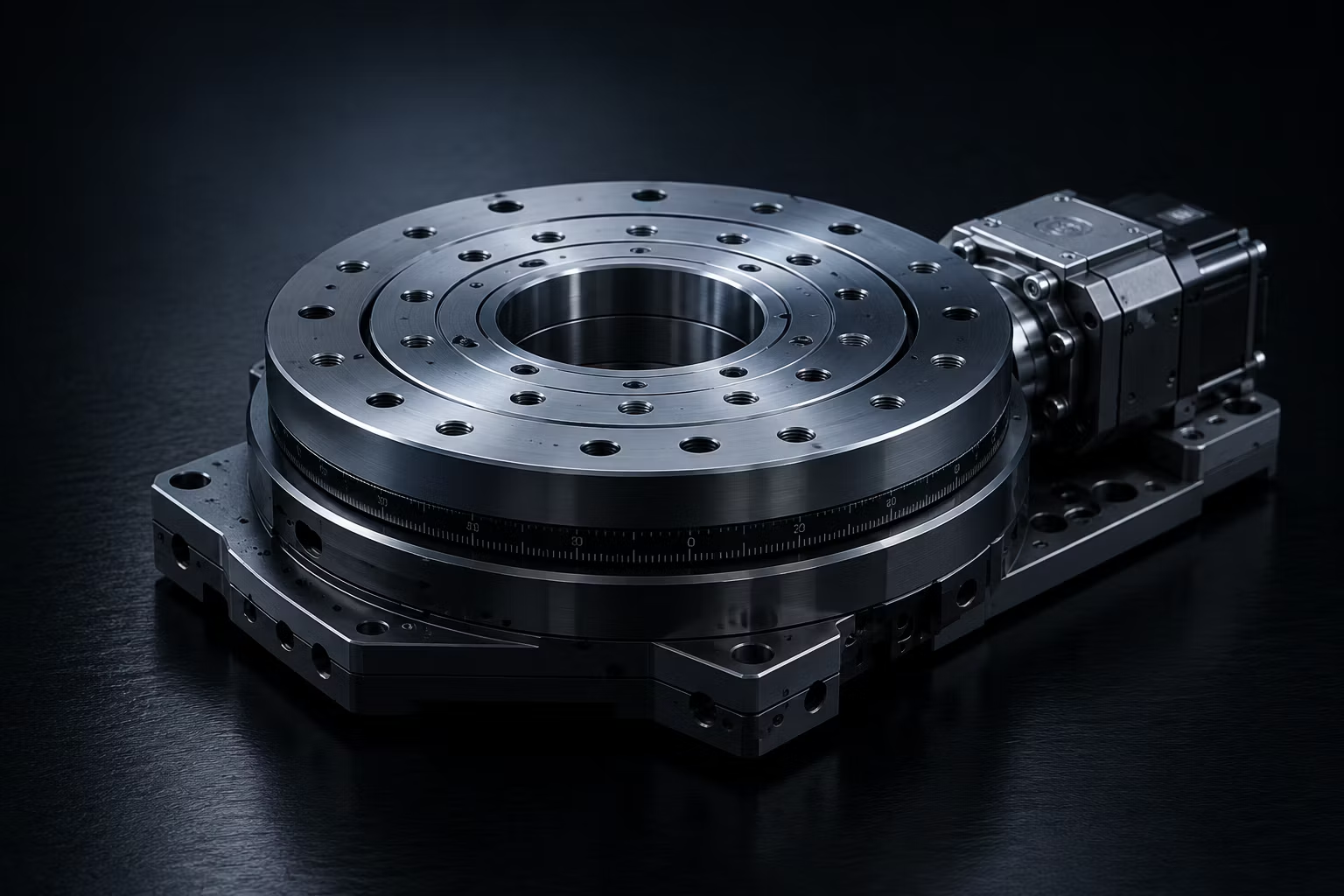
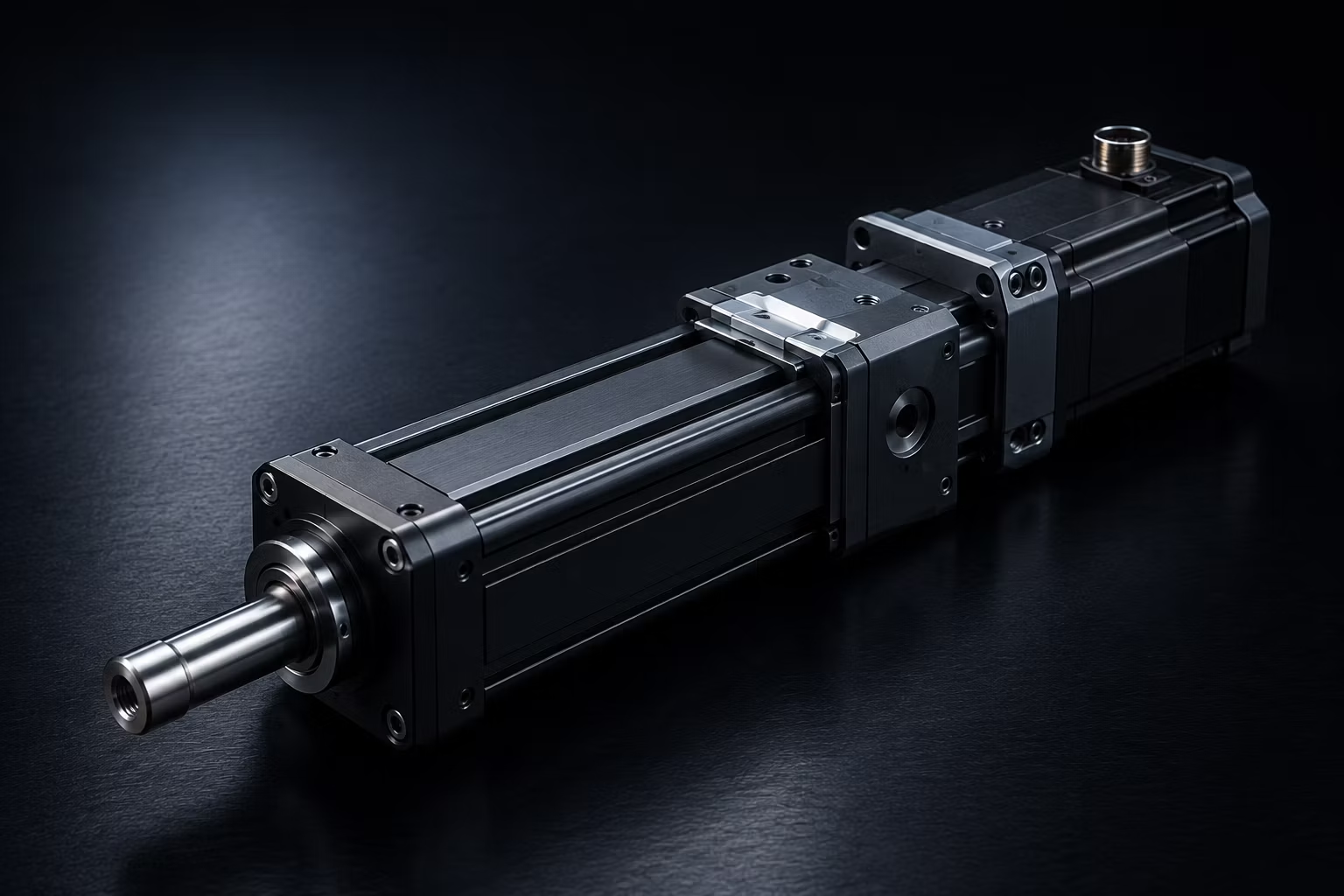
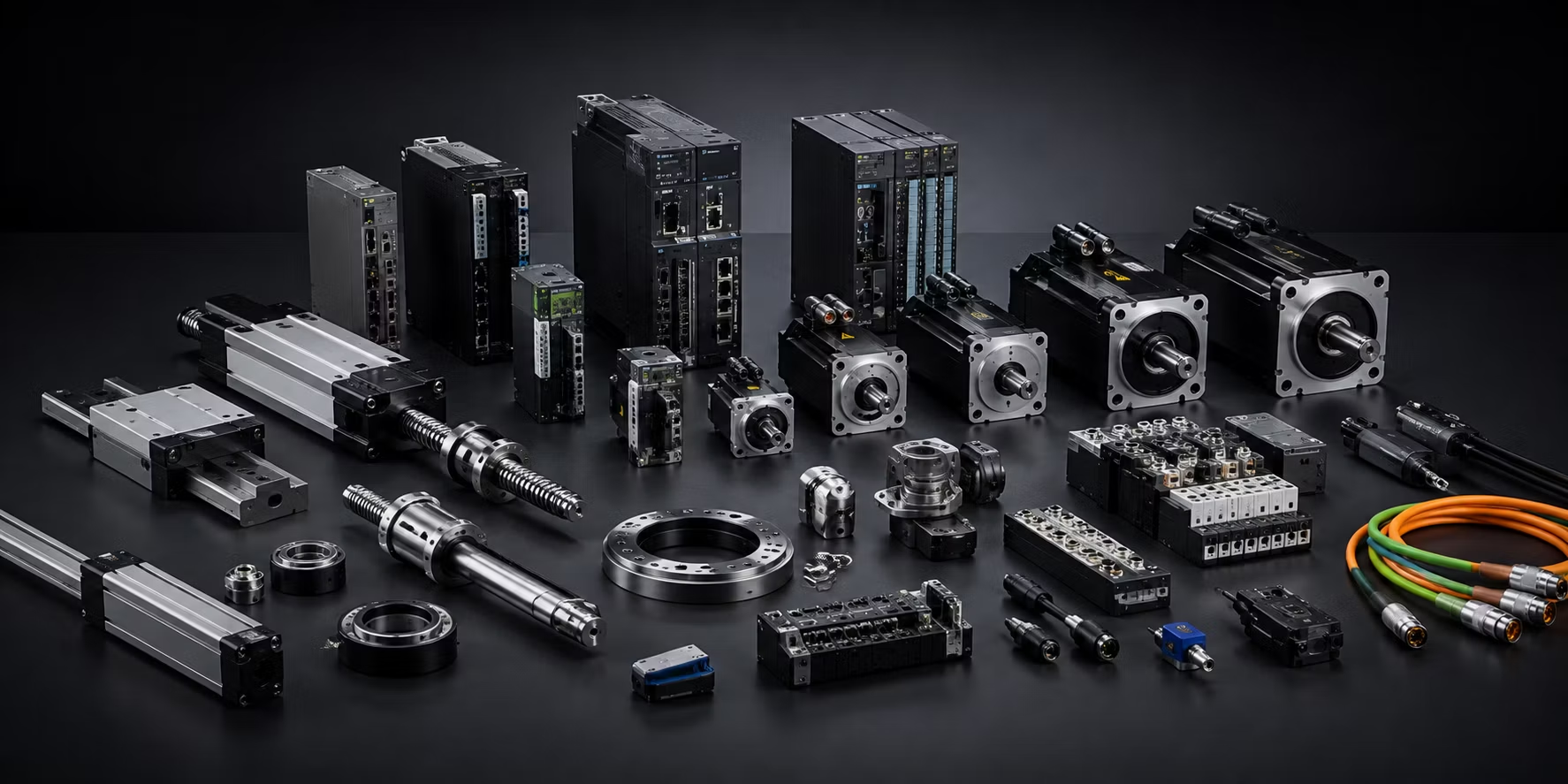
Motion components are the core building blocks of modern automation systems. From precision linear stages to rotary positioning modules, each component is engineered for smooth movement, high rigidity, and long-term repeatability.
Whether integrated into a larger production line or used in a custom machine, they provide the controlled motion required for advanced manufacturing.
KEY BENEFITS
Controlled positioning for demanding applications.
Consistent performance from cycle to cycle.
Fast acceleration and optimized throughput.
Designed for continuous industrial operation.
PRODUCT PORTFOLIO
APPLICATIONS
ENGINEERING
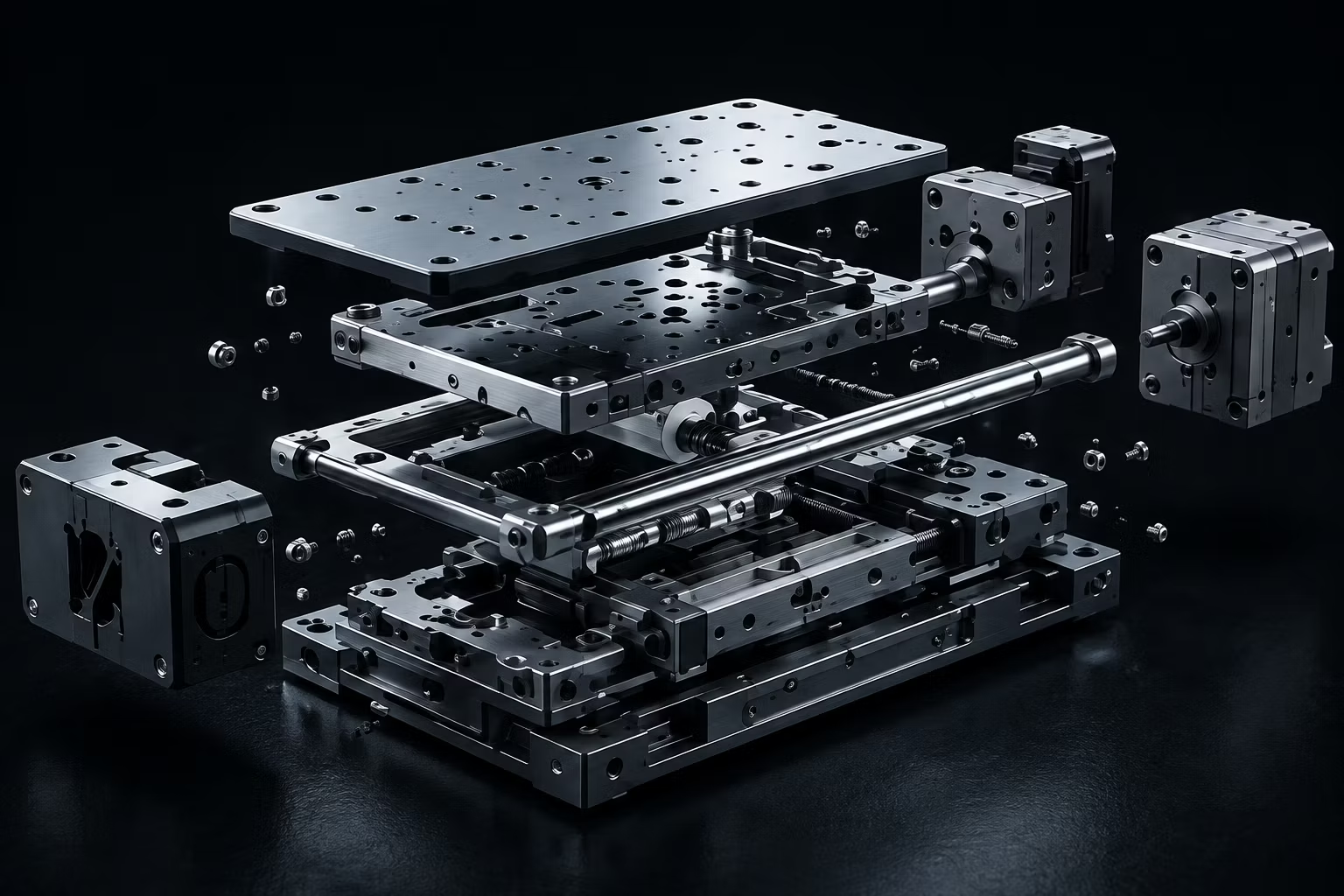
Every motion component is designed with mechanical rigidity, optimized drive systems, and practical manufacturing techniques to deliver smooth, repeatable performance in demanding industrial environments.
DOWNLOADS
FAQ
Motion components are the mechanical building blocks used to create controlled movement, including linear stages, rotary stages, and actuators. They can be integrated individually or combined into a coordinated motion system.
Selection starts with the application requirements: travel, load, speed, accuracy, repeatability, duty cycle, mounting, environment, and controls. Engineering reviews those constraints before recommending an architecture.
Yes. Integration can account for existing mechanical interfaces, controls, feedback devices, tooling, sensing, and metrology. Compatibility is confirmed during application review.
Components can be configured around application-specific travel, mounting, feedback, motor, cabling, and environmental requirements when a standard arrangement is not suitable.
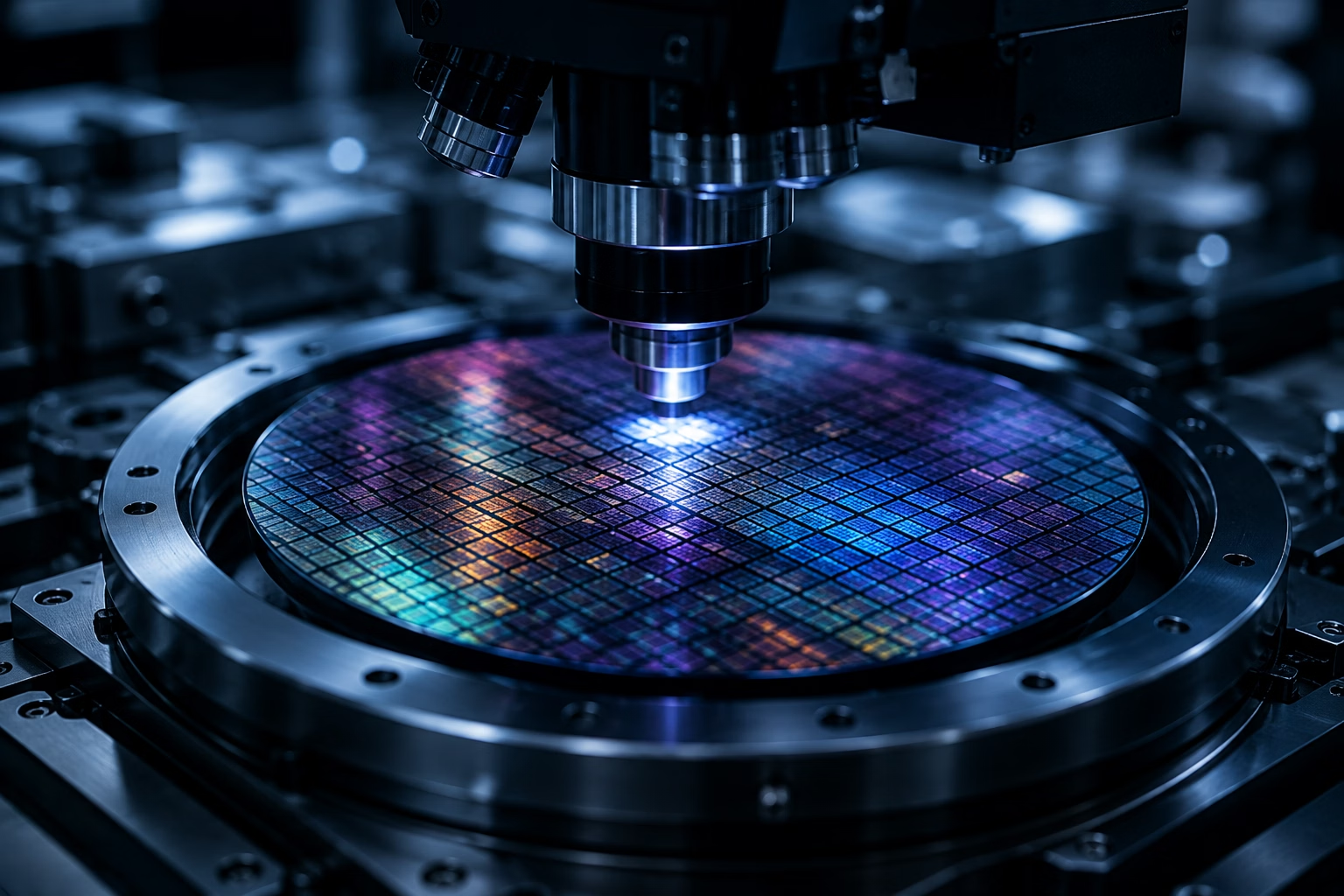
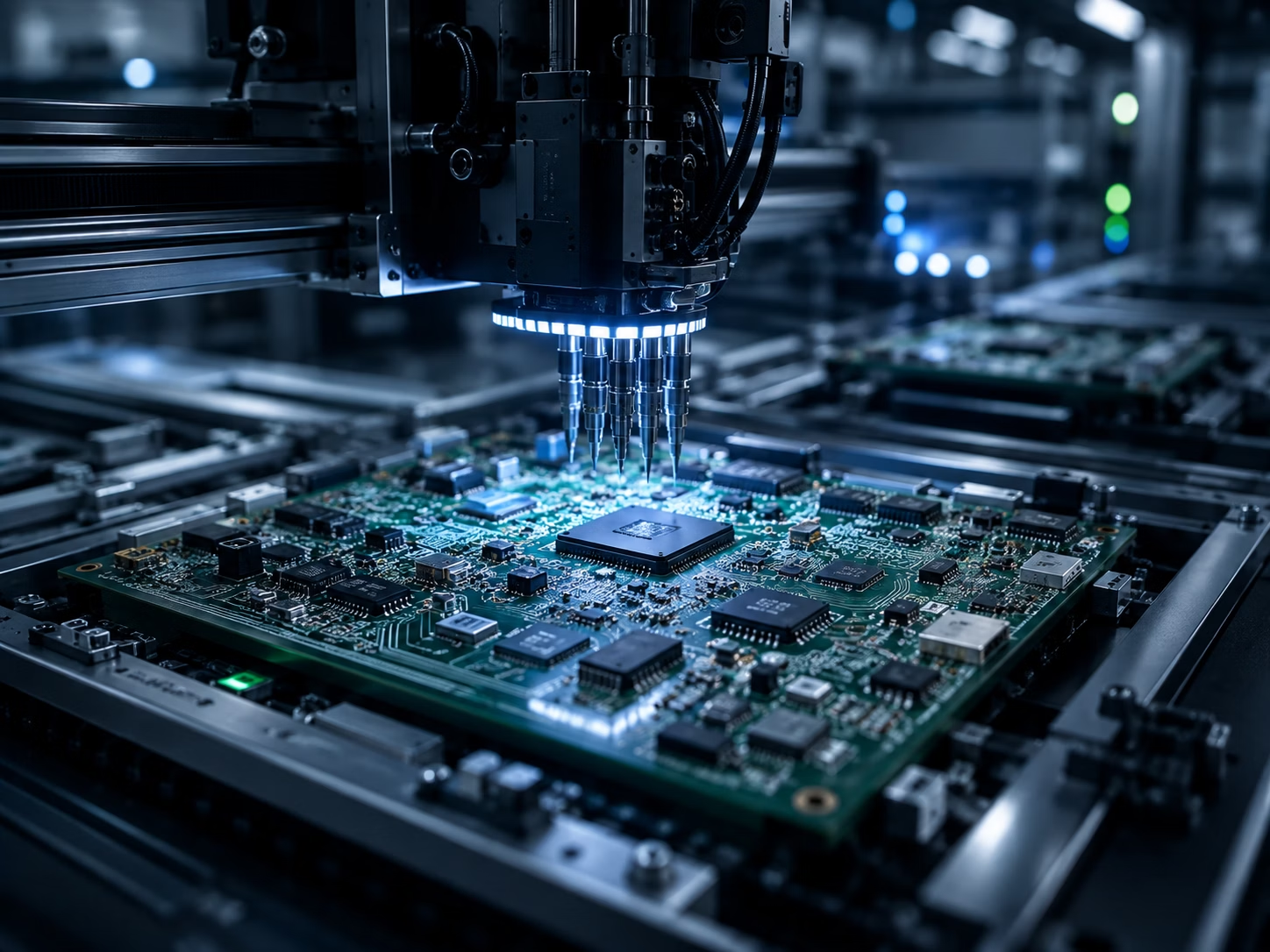
Typical applications span semiconductor, electronics manufacturing, medical devices, photonics and optics, automotive and EV, and scientific research.
READY TO BUILD?
Let's discuss the right components for your application and engineering requirements.